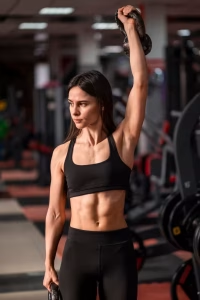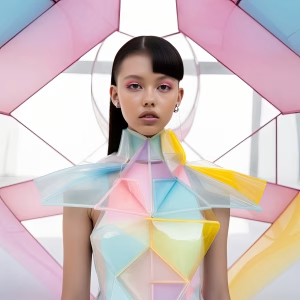
The fashion industry has undergone a remarkable transformation in recent years, with digital media creating new avenues for brand promotion and audience engagement. While models have long been the faces of fashion, influencers have emerged as powerful forces in shaping consumer preferences and driving purchasing decisions.
When you scroll through your social feed, you might see a polished campaign featuring a model showcasing the latest designer collection, immediately followed by an influencer styling those same pieces in their home. Though both individuals promote fashion, their roles, approaches, and relationships with audiences differ significantly.
This distinction matters not just for consumers but for brands strategizing their marketing efforts and individuals considering career paths in fashion promotion. Understanding these differences helps navigate an industry where visual representation and digital engagement have become increasingly intertwined yet remain distinct in critical ways.
Let’s explore the fundamental differences between these two influential roles shaping today’s fashion landscape.
Defining the roles: Models vs. influencers
At their core, models and influencers serve different primary functions within the fashion ecosystem, though occasional overlap occurs.
Models work as visual representatives hired specifically to showcase clothing, accessories, or beauty products. Their job centers on embodying a brand’s aesthetic vision through their physical presentation. Models appear in professionally produced content—magazine editorials, advertising campaigns, runway shows, and e-commerce—bringing creative directors’ and designers’ visions to life through their physical presence and ability to convey mood, style, and attitude.
Influencers, conversely, build personal brands and communities across digital platforms, primarily social media. Their value lies in the trust and connection they’ve established with their audiences. Rather than simply displaying products, influencers integrate them into content that reflects their personal lifestyle, opinions, and aesthetic. Their promotion feels authentic because it exists within the context of their curated personal narrative.
While some individuals successfully navigate both worlds—models who develop influential social presences or influencers who secure traditional modeling contracts—the fundamental approaches differ substantially.
Creative direction and content control
One of the most significant distinctions between these roles lies in creative control and content direction.
Models typically work under the direction of creative teams including photographers, stylists, art directors, and clients. They contribute their talent for physical expression and ability to embody different characters or aesthetics, but rarely determine the creative vision. A model’s job involves bringing someone else’s concept to life through their physical presentation and ability to take direction. Their skill lies in adapting to various creative visions while maintaining consistent professionalism.
In contrast, influencers maintain substantial creative control over their content. They function as one-person creative teams—conceptualizing, styling, photographing, writing, editing, and publishing their own material. This autonomy allows them to develop distinctive personal aesthetics and narrative voices that resonate with specific audiences. When working with brands, influencers typically negotiate to maintain creative freedom, ensuring sponsored content aligns with their established style and audience expectations.
This difference in creative control significantly impacts how fashion and products are presented. Model-centered campaigns reflect brand-directed aesthetics, while influencer content filters brand messaging through personal perspective, often resulting in more relatable presentations.
Audience relationships and engagement dynamics
Perhaps the most fundamental difference between models and influencers lies in their relationship with audiences.
Traditionally, models create little direct connection with consumers. Their work appears in media channels with one-way communication—magazines, billboards, websites—where audience feedback remains limited or nonexistent. The model’s impact comes through their embodiment of aspirational aesthetics rather than personal connection. While social media has enabled some models to develop more interactive presences, their traditional role doesn’t require audience engagement.
Influencers, by definition, build their value through direct audience relationships. They cultivate communities through consistent content, personal storytelling, and active engagement via comments, direct messages, live streams, and other interactive features. This ongoing dialogue creates trust and authenticity that translates into persuasive power when recommending products. Successful influencers understand their audiences intimately—their preferences, pain points, aspirations, and purchasing behaviors—allowing for highly targeted promotion.
This engagement difference affects how fashion brands utilize each role. Models present aspirational visions that create brand recognition and desire, while influencers translate products into real-life applications that feel achievable and relevant to specific consumer segments.
Career trajectories and industry positioning
The career paths and industry positioning of models and influencers reflect their distinct functions within fashion.
The modeling industry maintains structured entry points and career progression. Most professional models sign with agencies that represent them to clients, negotiate contracts, and manage bookings. Success traditionally depends on meeting specific physical requirements, building professional relationships, developing versatility, and establishing reliability. Career longevity often involves transitioning between different types of modeling as one ages or expanding into adjacent roles like modeling coaching or agency management.
Influencer careers follow more entrepreneurial trajectories with fewer established pathways. Most begin independently, building audiences organically before monetizing their platforms. Without formal representatives (though influencer management agencies now exist), they handle their own business development, client relationships, content creation, and community management. Success depends on consistent content production, audience growth, engagement metrics, and authentic brand integration. Career sustainability often involves diversifying income streams through product lines, expanded content formats, or transitioning to broader media platforms.
These different structures create varying barriers to entry and success metrics. Modeling remains relatively gated by physical specifications and agency representation, while influencing offers more democratic access but requires significant self-directed business acumen and content creation skills.
Monetization strategies and brand relationships
How models and influencers earn income reflects their different roles and industry positions.
Models typically work on a job-by-job basis with predetermined compensation rates. They earn fees for specific projects—photoshoots, runway shows, campaign days—with rates varying based on experience, reputation, usage rights, and exclusivity requirements. Additional income may come through contract extensions, usage renewals, or residuals depending on the agreement structure. Agency representation typically takes a percentage of earnings (often 15-20%) in exchange for securing and managing bookings.
Influencers develop more diverse monetization strategies centered around their own platforms. Their income sources include:
- Sponsored content and brand partnerships
- Affiliate marketing commissions
- Digital product sales (presets, e-books, online courses)
- Merchandise and product lines
- Membership/subscription content
- Event appearances and speaking engagements
This diversification creates more stable income potential but requires business development skills beyond pure content creation. Influencers must balance commercial opportunities with audience trust, carefully selecting partnerships that maintain credibility while maximizing revenue.
Brand relationships also differ substantially. Models typically maintain professional distance from the brands they represent, working through agencies and appearing across competing companies as needed. Influencers develop more direct brand relationships, often creating long-term partnerships with selected companies and maintaining exclusivity within product categories to preserve authenticity.
The evolving intersection
While these distinctions remain significant, the line between models and influencers continues blurring in interesting ways.
Many successful models now develop substantial social followings, leveraging their modeling visibility to build personal brands that extend their careers. These “model-influencers” combine traditional modeling work with social content creation, giving audiences behind-the-scenes glimpses of the fashion industry while building direct engagement.
Simultaneously, top influencers increasingly secure traditional modeling contracts and campaign features as brands recognize their built-in audiences and cultural relevance. These “influencer-models” bring established communities to professional campaigns, offering brands both visual presentation and audience reach.
This convergence creates new hybrid roles where individuals balance directed creative work with personal content creation, agency representation with independent business development, and professional presentation with authentic engagement.
Strategic value for brands and marketers
For fashion brands and marketers, understanding these distinctions helps create more effective promotional strategies leveraging each role’s unique strengths.
Models excel at creating aspirational imagery that defines brand identity and aesthetic vision. Their professional training in posing, movement, and expression allows creative teams to realize specific concepts with precision. When brands need complete creative control and polished, consistent visual representation, traditional models remain invaluable.
Influencers provide authentic connection and contextual relevance that traditional advertising struggles to achieve. Their intimate knowledge of specific audience segments allows for targeted promotion with built-in credibility. When brands need to humanize their products, demonstrate real-life applications, or reach niche communities, influencers offer unparalleled advantages.
Most effective modern fashion marketing strategies incorporate both approaches—using models to establish aspirational brand positioning while engaging influencers to create accessible, relatable content that drives conversion among specific consumer segments.
Navigating the future landscape
As digital media continues evolving, the relationship between modeling and influencing will likely continue transforming. Virtual models, AI-generated content, and augmented reality experiences further complicate these distinctions, creating entirely new categories of fashion promotion.
What remains consistent is the importance of understanding each role’s fundamental purpose. Models embody creative visions through physical presentation, while influencers build trusting communities through authentic personal content. When individuals or brands understand these core functions, they can effectively navigate the increasingly complex landscape of fashion promotion and audience engagement.
Whether pursuing a career in fashion representation or developing marketing strategies for fashion brands, recognizing these distinct yet complementary roles provides valuable perspective on how visual presentation and community engagement combine to shape consumer relationships with fashion in 2025 and beyond.
FAQs
How are influencers role models?
Influencers become role models by demonstrating authentic values, sharing personal growth journeys, and making relatable life choices that resonate with their audiences. Unlike traditional celebrities, their daily content creates intimate connections where followers witness consistent behaviors, decision-making processes, and responses to challenges, potentially inspiring similar positive choices among their community members.
Is an Instagram model a real model?
The term “Instagram model” spans several categories: professional agency-signed models who use Instagram as a portfolio supplement, self-represented individuals who secure paid modeling work through their social presence, and content creators who model in self-produced photography. Agency representation isn’t the defining factor of “real” modeling—securing paid work to visually represent products or fashion is what constitutes legitimate modeling work.
Who are the hottest models right now?
The most in-demand models currently include Agel Akol (who walked 36 shows last season), Bella Hadid (following her return from hiatus), Jennifer Matias (booking major luxury campaigns), Paloma Elsesser (continuing to redefine industry standards), Nyaduola Gabriel (face of Dior Beauty), Bibi Breslin (emerging runway favorite), and established names like Kendall Jenner and Adut Akech maintaining strong commercial presences across multiple markets.