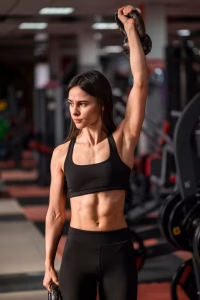
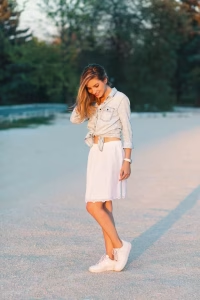
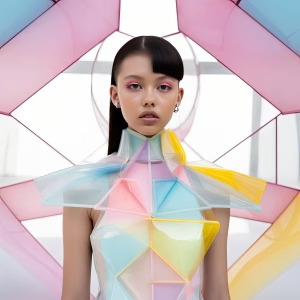
Featured model: Walter Rogelio (view full profile on Modnet.)
At the pinnacle of the modeling industry stand high-fashion models, the elite professionals who showcase luxury designs on prestigious runways and in editorial spreads for the world’s most respected fashion publications. Their work shapes trends, influences consumer perceptions, and helps define the visual language of luxury fashion. Understanding this specialized segment of modeling requires examining both its traditional standards and its evolving nature, while getting to know some of the terminology that’s used daily.
What is high-fashion modeling?
High-fashion models represent luxury brands and designers in contexts that emphasize artistic expression over commercial appeal. Unlike commercial models who project relatable, approachable images to sell products to mass-market consumers, high-fashion models embody conceptual visions that prioritize aesthetic innovation and creative storytelling.
These models work primarily in three key areas: runway shows for luxury fashion houses, editorial photography for prestigious fashion magazines, and advertising campaigns for high-end designer brands. Their work typically demands greater versatility in expression and physical presence than commercial modeling, with emphasis on showcasing garments in artistic contexts rather than simply presenting a relatable image.
Physical requirements for female high-fashion models
The traditional physical requirements for female high-fashion models remain fairly standardized, though the industry has begun embracing greater diversity in recent years:
- Height: Typically between 5’9″ and 5’11” (175-180 cm), with some flexibility for exceptionally striking models
- Measurements: Generally 34-24-34 inches (86-61-86 cm) or similar proportions
- Size: Usually corresponding to US sizes 0-4 (EU 32-36)
- Age: Most begin careers between 14-21 years, with peak years often between 16-25
- Physical attributes: Long limbs, proportionate features, good posture, and a frame that showcases garments effectively
These standards derive from practical industry considerations: runway samples are typically made in single sizes, and designers create garments with specific proportions in mind. However, these requirements have faced increasing criticism for promoting unrealistic body standards and limiting diversity.
Physical Requirements for Male High-Fashion Models
Male high-fashion models face similar standardized requirements:
- Height: Generally between 5’11” and 6’2″ (180-188 cm)
- Measurements: Typically a 38-40 inch chest, 30-32 inch waist, and 38-40 inch hips
- Physique: Lean and athletic but not overly muscular, with defined facial features
- Age: Most begin between 16-25 years, with careers potentially extending longer than female counterparts
As with female standards, these specifications allow designers to create sample garments in standardized sizes while achieving their desired aesthetic vision.
Beyond Physical Attributes: Essential Qualities
While physical specifications receive the most attention, successful high-fashion models possess numerous qualities beyond measurements:
Professional Skills
- Movement capability: Graceful, confident walking and posing techniques
- Adaptability: Ability to embody different styles, concepts, and creative directions
- Expressiveness: Communicating emotion and attitude effectively through facial expressions and body language
- Quick learning: Adapting rapidly to choreography, creative direction, and changing environments
Professional Attributes
- Resilience: Handling rejection constructively and maintaining confidence
- Reliability: Punctuality, preparedness, and consistent performance
- Interpersonal skills: Collaborating effectively with designers, photographers, and creative teams
- Health management: Maintaining physical condition, energy levels, and overall wellbeing
- Business acumen: Understanding contracts, managing finances, and building professional relationships
These qualities often differentiate successful high-fashion models from those who struggle in the industry, regardless of physical attributes.
What has changed in high-fashion modelling so far?
While traditional standards persist, the high-fashion modeling industry has undergone significant evolution in recent years:
Increasing diversity
Driven by changing consumer expectations and advocacy within the industry, high fashion has gradually expanded its representation of:
- Size diversity: Models beyond traditional sample sizes appearing on major runways and in editorials
- Racial and ethnic diversity: Greater representation of models from various backgrounds
- Age diversity: Models with longer careers and those beginning later in life
- Gender diversity: Non-binary and transgender models gaining prominence
While progress remains uneven across the industry, luxury brands increasingly recognize that diversity can enhance creativity and consumer connection rather than compromising artistic vision.
Changing business model
The business of high-fashion modeling has transformed with digital media:
- Social media influence: Models with strong personal platforms often securing better opportunities
- Direct audience connection: Models building personal brands beyond traditional agency representation
- Multi-faceted careers: Models extending into design, creative direction, and entrepreneurship
This evolution has created more pathways to success beyond traditional measurements, though established standards still predominate at fashion’s highest levels.
The path to high-fashion modeling
For those aspiring to high-fashion modeling careers, several established pathways exist:
Agency representation
The traditional route involves securing representation with reputable agencies specializing in high-fashion models. This typically requires:
- Submitting digital photos or attending open calls
- Meeting with agents who assess potential
- Understanding and negotiating contract terms
- Developing a portfolio with agency guidance
Top agencies provide crucial connections to major clients while handling business aspects like booking and payment.
Portfolio development
A strong portfolio remains essential for high-fashion models:
- Professional photographs demonstrating versatility
- Simple, clean images showcasing natural features
- Editorial-style shoots displaying ability to embody concepts
- Runway videos or photos if available
Digital portfolios now complement traditional print books, with social media often serving as an informal extension of a model’s portfolio.
Market selection
Different fashion markets maintain varying standards and opportunities:
- Paris: The most prestigious yet demanding runway market
- Milan: Emphasizes classic beauty and elegance
- New York: Values commercial versatility alongside editorial potential
- London: Embraces edgier, more experimental aesthetics
- Emerging markets: Shanghai, Tokyo, and other cities offering unique opportunities
Successful models often begin in secondary markets before attempting to break into leading fashion capitals.
The reality of high-fashion modeling careers
Beyond glamorous perceptions, high-fashion modeling presents several realities worth consideration:
Financial aspects
Contrary to popular belief, many high-fashion models earn modest incomes, particularly at career start:
- Runway shows often paying relatively little compared to commercial work
- Editorial shoots frequently offering prestige rather than substantial payment
- Significant expenses including portfolios, travel, accommodations, and agency fees
- Inconsistent income requiring careful financial management
Only a small percentage reach the financial success of supermodels, with many combining high-fashion work with more lucrative commercial projects.
Lifestyle considerations
The profession demands significant personal sacrifices:
- Extensive travel often required with little advance notice
- Irregular schedules including very early call times and long shoots
- Physical demands including standing for hours in uncomfortable conditions
- Constant scrutiny of physical appearance and presentation
- Limited career longevity for many models
These factors contribute to the profession’s challenging nature despite its glamorous perception.
How does the future of high-fashion modeling look like?
The industry continues evolving in response to cultural shifts and technological developments:
- Body positivity influence: Gradual expansion of acceptable physical standards
- Digital disruption: Virtual models and AI-generated imagery creating new opportunities and challenges
- Sustainability focus: Growing emphasis on ethical practices and model wellbeing
- Democratization: Social media allowing models to build careers outside traditional gatekeepers
While traditional standards for high-fashion models persist, the definition continues expanding, potentially creating a more diverse and inclusive future for the profession.
FAQs
What are the requirements for high fashion models?
Female high-fashion models typically need to be 5’9″ to 5’11” tall with measurements around 34-24-34 inches and sizes 0-4. Male models generally range from 5’11” to 6’2″ with lean, athletic builds. Beyond physical specifications, successful high-fashion models need runway walking skills, expressive range, professional reliability, and resilience to rejection. While these traditional standards remain dominant, the industry increasingly values uniqueness and diversity alongside these established requirements.
What is high fashion in fashion?
High fashion refers to exclusive, often avant-garde clothing created by prestigious designers and fashion houses, typically showcased through runway collections and editorial photography. It emphasizes artistic expression, craftsmanship, and innovation rather than everyday wearability or mass-market appeal. High fashion serves as the industry’s creative laboratory, establishing trends and aesthetic directions that eventually influence broader consumer fashion. Examples include couture collections from houses like Chanel, Dior, and Valentino or runway presentations from designers like Rei Kawakubo or Alexander McQueen.
What are the body measurements for a high fashion model?
Traditional body measurements for female high-fashion models typically include a 34-inch bust, 24-inch waist, and 34-inch hips (86-61-86 cm), though slight variations exist. These proportions generally correspond to US sizes 0-4 (EU 32-36). Male high-fashion models usually have a 38-40 inch chest, 30-32 inch waist, and 38-40 inch hips with lean, defined physiques. While these standards remain prevalent at fashion’s highest levels, the industry increasingly showcases greater diversity, with some major fashion houses and publications featuring models with various body types beyond these traditional specifications.