The male modeling industry has evolved dramatically in recent years, with increased opportunities across commercial, fashion, fitness, and promotional categories. Yet the fundamental challenge remains: how to distinguish yourself among the many talented individuals at casting calls. Whether you’re new to the industry or looking to elevate your booking rate, understanding the nuances of male casting calls can significantly impact your success.
How does the male model casting process work?
Most male models enter castings without fully grasping what happens behind the scenes. Casting directors typically evaluate hundreds of candidates for each position, making quick assessments based on appearance, professionalism, and suitability for the specific project.
The typical casting process follows a predictable pattern. Upon arrival, you’ll check in with a coordinator who records your information. After waiting (often the longest part of the process), you’ll have a brief evaluation session lasting anywhere from two to ten minutes. This might include presenting your portfolio, demonstrating your walk, posing for digital photos, or reading from a script for commercial work.
Understanding this structure helps you prepare effectively. Since your actual evaluation time is limited, you must make a strong impression quickly. Prepare concise answers about your experience and availability, and be ready to demonstrate your modeling abilities efficiently when your moment arrives.
The casting environment itself can vary dramatically—from formal studio settings to casual office spaces. By researching the brand or agency beforehand, you can better anticipate the atmosphere and adjust your presentation accordingly.
Building a male model portfolio that gets noticed
Your portfolio serves as your primary marketing tool and deserves careful consideration. Unlike female portfolios that might showcase diverse styling, male model portfolios typically emphasize versatility through different expressions, environments, and clothing styles while maintaining a consistent personal brand.
Begin with strong headshots that clearly show your facial features with minimal distractions. Include both smiling and serious expressions to demonstrate range. Follow with full-body images that accurately represent your physique and proportions. Commercial clients particularly value seeing your natural build and how you carry yourself.
For maximum impact, include category-specific images relevant to your modeling goals. Fitness models should include athletic shots showcasing definition and movement. Fashion-focused models need editorial-style images demonstrating their ability to embody different aesthetics. Commercial models benefit from lifestyle images showing relatable scenarios and expressions.
Digital portfolios have largely replaced physical ones, but maintaining a small selection of high-quality prints for in-person castings remains valuable. Whichever format you use, ensure all images are professionally shot, current, and authentically represent your present appearance.
Grooming standards that set you apart
Male model grooming requires a delicate balance—maintaining a polished appearance without appearing overly manufactured. Start with a consistent skincare routine focused on healthy skin rather than perfect skin. Clear, well-hydrated skin photographs better than heavily concealed imperfections.
Hair maintenance depends on your specific look and category. Fashion and editorial models often have more flexibility with creative styles, while commercial models typically maintain more conventional, versatile cuts. Whatever your style, ensure your hair looks intentional and well-maintained rather than neglected.
Facial hair requires particular attention. If you maintain a beard or stubble, keep it neatly trimmed with clearly defined edges. For a clean-shaven look, shave shortly before the casting to avoid visible stubble (unless specifically requested). Many male models keep versatile facial hair that can be quickly modified according to client preferences.
Nail care, though often overlooked, significantly impacts your professional image. Keep nails clean, trimmed short, and filed smooth. This detail particularly matters for hand modeling opportunities or close-up photography.
Remember that casting directors value models who can adapt their appearance. Avoid permanent changes like tattoos in highly visible areas unless you’re targeting alternative modeling niches where such features are assets rather than limitations.
Dressing for male casting success
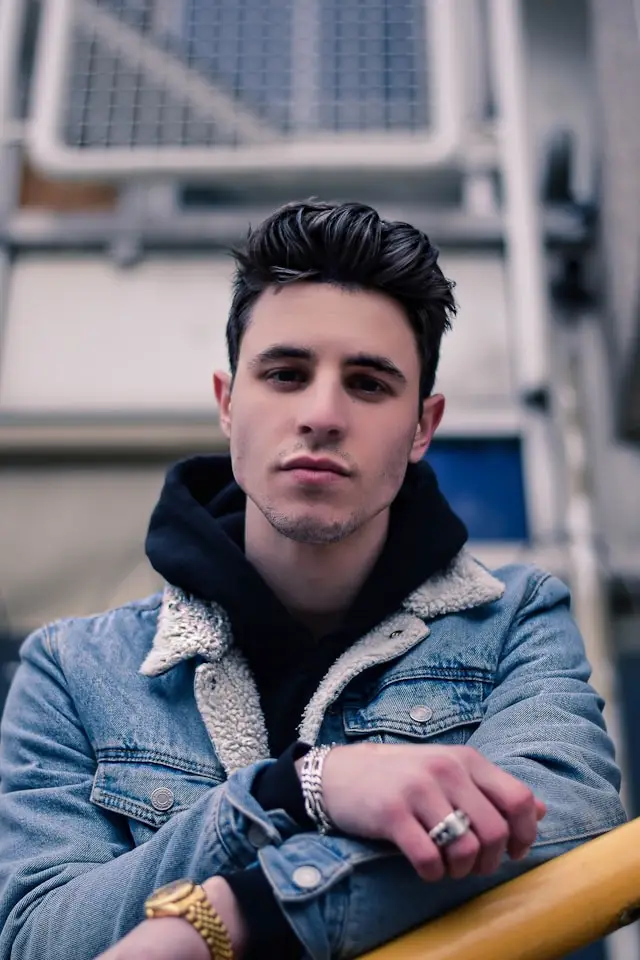
Your attire at castings should showcase your physique while reflecting the type of work you’re seeking. The standard male model “uniform” consists of well-fitted jeans or black pants paired with a simple t-shirt or fitted button-down that shows your proportions clearly.
Footwear should be clean, simple, and appropriate to the casting type. Fashion castings typically call for minimal, fashionable shoes like Chelsea boots or clean sneakers. Commercial castings might require more versatile footwear depending on the project’s nature.
For specific casting types, modify this basic formula accordingly. Runway castings might request more fashion-forward attire or specific styles that align with the designer’s aesthetic. Swimwear castings often require bringing appropriate swimwear options. Always read casting notices carefully for specific wardrobe requirements.
Accessories should be minimal and purposeful. A simple watch or understated bracelet can add personality without distraction. Avoid anything that draws attention away from you—the focus should remain on your physical attributes and presentation skills rather than your styling choices.
The key principle remains simplicity. Casting directors need to envision you in their projects, and neutral, well-fitted clothing creates the blank canvas they need for this visualization process.
Maintain a body language that communicates confidence
How you carry yourself often matters more than what you’re wearing. Strong body language begins with proper posture—standing tall with shoulders back and head held high communicates confidence and professionalism before you speak a single word.
Movement quality significantly impacts casting decisions, particularly for fashion and runway work. Practice walking naturally but purposefully, with relaxed shoulders and controlled arm movements. Record yourself walking from different angles to identify and correct any issues with stride length, pace, or unnecessary tension.
Even when standing still, maintain conscious body positioning. Avoid crossed arms (which can appear defensive) or hands in pockets (which may seem too casual). Instead, stand with arms relaxed at your sides or one hand casually holding your portfolio—positions that appear both confident and approachable.
Facial expressions require equal attention. Practice transitioning between expressions smoothly, particularly for commercial castings where you might need to convey specific emotions. The ability to appear naturally expressive rather than forced or theatrical distinguishes successful male models.
Eye contact creates connection and demonstrates confidence. When speaking with casting directors, maintain steady (but not uncomfortable) eye contact. When being photographed, practice directing your gaze both at and slightly away from the camera as directed, conveying emotion through your eyes.
Professional conduct from arrival to exit
The modeling industry values professionalism as highly as physical attributes. This begins with punctuality—arrive 10-15 minutes before your scheduled time, allowing for check-in procedures without appearing rushed. Late arrivals, regardless of talent, often get eliminated immediately.
During the waiting period, maintain professional behavior. Use this time to mentally prepare rather than scrolling through your phone or engaging in animated conversations with other models. Your conduct in the waiting area is observed and contributes to your overall impression.
When interacting with casting personnel, demonstrate respect, attentiveness, and adaptability. Address people by name when possible, listen carefully to instructions, and respond to direction quickly without excessive questions or explanations. The ability to take direction well proves as valuable as your look.
After your evaluation, exit graciously regardless of how you feel the casting went. Thank those involved briefly and depart promptly to respect the schedule. Avoid asking about booking decisions or when you might hear back—your agent will handle these communications.
Remember that casting directors work with those they like and trust. Models who combine talent with courtesy, professionalism, and reliability build reputations that lead to repeat bookings and referrals.
Strategic follow-up practices
The follow-up process requires careful consideration. If you’re represented by an agency, consult their protocols before sending any personal communication to casting directors. Many agencies prefer to handle all client communication themselves.
For independent models, a brief thank-you email within 24 hours can be appropriate. Keep it concise and professional, expressing appreciation for the opportunity without asking about casting decisions. Include your full name, the casting date, and perhaps a small thumbnail image to help them remember you among the many candidates seen.
Social media offers another follow-up channel, but requires discretion. Following a casting director or agency on professional platforms can maintain visibility, but avoid excessive interaction that might appear desperate or unprofessional. Never comment on posts asking about casting decisions or expressing disappointment about not being selected.
Use each casting as an opportunity for professional development. Reflect on what went well and what could be improved, perhaps keeping a casting journal to track patterns in your experiences. This methodical approach helps you continuously refine your presentation and increase booking rates over time.
Remember that effective follow-up demonstrates your continued interest without creating pressure. The goal is to remain positively in their awareness for future opportunities, even if you weren’t selected for the current project.
Turn rejections into opportunities
Every successful male model faces regular rejection—it’s an unavoidable aspect of the industry. Developing resilience and a constructive approach to rejection differentiates those who build sustainable careers from those who become discouraged and exit the industry.
View each casting as a valuable networking opportunity regardless of the outcome. The casting director who doesn’t select you today might remember you for a perfect fit tomorrow. Maintaining professionalism through rejection preserves these potential future opportunities.
Seek feedback when appropriate, but recognize that specific feedback is rarely offered in this high-volume industry. When you do receive constructive criticism, implement it rather than defending your approach. This adaptability demonstrates your commitment to growth and professionalism.
Remember that rejection rarely reflects your worth or potential. Casting decisions involve numerous factors beyond your control—client preferences, existing talent roster, specific project requirements, and even budget considerations all influence outcomes. The most successful models maintain confidence while continuously improving their craft, knowing that persistence through rejection eventually leads to success.
By understanding and implementing these essential strategies for male casting calls, you position yourself for greater success in this competitive industry. The male modeling world offers abundant opportunities for those who combine natural attributes with professional preparation, authentic presentation, and resilient persistence.
FAQs
What do male models wear to castings?
Fitted jeans or black pants with simple t-shirts or button-downs that show physique clearly. Clean, minimal shoes and no distracting accessories or logos.
What do they look for in male models?
Strong physical features, professional attitude, versatility, confidence, ability to take direction well, and reliable communication. Different niches value specific heights, builds, and looks.
How to become a successful male model?
Develop a professional portfolio, maintain excellent physical condition, practice posing/walking, build industry relationships, stay consistent with grooming, and demonstrate reliability and professionalism at all times.