The modeling industry is experiencing a revolution unlike anything in its history. What began as something centered around physical beauty has turned into a complex ecosystem where technology, social values, and sustainability reshape what it means to be a model.
But what does the future hold for the modeling industry? What can we expect to see in the next five to ten years and how can models be prepared?
New trends will be reshaping the modeling industry
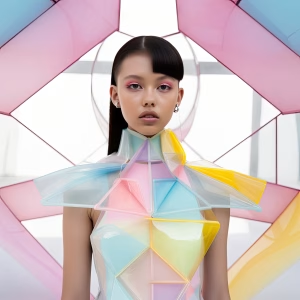
Digital fashion has exploded onto the scene, changing not just how clothes are displayed but what “clothes” even means. Designers now craft hyper-realistic 3D garments using sophisticated software that allows consumers to “wear” these digital outfits in virtual spaces, social media, and gaming platforms.
“Aside from the lasting impact of having fewer prototypes to send to our office from around the world, I had many more opportunities to make design decisions that I couldn’t make with sketches,” says Anna Liedtke for Neon Moire.
This shift toward digital fashion isn’t just creatively groundbreaking but also environmentally revolutionary. With no physical materials required, digital fashion eliminates waste, shipping impacts, and production pollution while still satisfying our human desire for novelty and self-expression.
Meanwhile, inclusivity has finally moved beyond tokenism. The future of modeling is fit for diverse body types, ages, ethnicities, gender expressions, and abilities. Brands now showcase models with visible disabilities, transgender and non-binary individuals, and age diversity that would have been unthinkable a decade ago.
Sustainability dominates conversations about the future of the fashion industry practices. Models themselves have become powerful advocates, with many refusing to work with brands that fail environmental and ethical standards. This activist stance represents a dramatic power shift, with models influencing brand behavior rather than simply representing it.
AI and data analytics are changing talent discovery in the modeling industry
Artificial intelligence has opened up modeling opportunities in unprecedented ways. AI-powered platforms now scan global social media to discover potential stars based on engagement metrics, look characteristics, and brand alignment potential.
The technology offers something human scouts often struggle with: reduced bias. With focus on objective data rather than subjective preferences, AI-driven recruitment creates fairer opportunities and more diverse representation. The result? Fresh faces emerging from locations far beyond traditional fashion capitals.
Efficient talent matching represents another breakthrough application of AI in modeling. Since it analyzes vast amounts of data, artificial intelligence can pair models with brands or campaigns that align perfectly with their unique characteristics, improving both creative outcomes and commercial success.
Perhaps most fascinating is how predictive analytics now forecasts trends and model performance. Agencies leverage these insights to optimize casting, anticipate market shifts, and make data-informed decisions about which models to sign and how to develop their careers.
Fashion modeling industry when everything happens online first
Virtual runways represent one of the most visible transformations in the modeling world. Fashion shows increasingly occur in immersive digital environments accessible globally without geographic constraints. These productions democratize fashion while offering spectacles impossible in physical reality—models walking on water, instant costume transformations, or gravity-defying movements.
AI-generated models present both fascinating opportunities and ethical dilemmas for the future of modeling. Completely computer-generated faces and bodies can be endlessly customized, never age, and work 24/7 without complaints. Yet this technology raises profound questions about authenticity, human creativity, and potentially lost opportunities for human models.
Several luxury brands now employ both human and AI-generated models, using each for different purposes. This hybrid approach suggests a future where virtual and human models coexist rather than compete.
For example, “Balmain created several virtual models who quickly became influencers and the faces of Balmain campaigns. The next time you view an online Balmain campaign, ask yourself whether you are looking at a human being or at Shudu, Margot or Zhi, some of Balmain’s AI models”, states an article on Luxury Daily.
The metaverse’s growth has birthed an entirely new market segment: direct-to-avatar sales. Consumers purchase digital clothing exclusively for their online personas—creating modeling opportunities that exist solely in virtual space. This market segment is expected to grow at 49.8% from 2024 to 2030, suggesting immense potential for the future of modeling within virtual worlds.
The future of modeling: some predictions and possibilities
Looking ahead, several clear patterns emerge in modeling’s evolution:
- The boundaries between gaming and fashion will dissolve. Models will increasingly work across both industries, representing brands in immersive gaming environments where players can purchase both virtual and physical products.
- Sustainability credentials will become mandatory. Models who authentically champion environmental causes will dominate as brands respond to consumer demand for responsible practices. Those lacking genuine commitment will struggle to secure premium contracts.
- The creator-model hybrid will become standard. Tomorrow’s successful models must master content creation alongside traditional modeling skills. Those who can conceptualize, shoot, edit, and tell compelling stories about products will command the highest rates.
- Technology will continue democratizing opportunity. Advanced measurement and virtual casting technologies will further lower barriers to entry, allowing talented individuals from anywhere to break into the industry without relocating to fashion capitals.
- New modeling specialties will emerge. Motion capture specialists, virtual fitting models, adaptive fashion experts, and other niche roles will create diverse career paths beyond traditional modeling categories.
FAQ: The future outlook for modeling
What is the future outlook for modeling?
The modeling industry faces a bright future with expanding opportunities in both traditional and digital spaces. Inclusive casting, technological integration, and sustainability focus will define success. Models with diverse looks, digital savvy, and authentic values will thrive most in these evolving times.
What is the future of modelling?
Modeling’s future brings together physical and digital work while embracing wider representation. You’ll find opportunities in virtual fashion, AI collaboration, and specialized niches. Successful models will need both traditional skills and technological adaptability, with careers extending across multiple platforms and virtual environments.
What is the future of the fashion industry?
Fashion’s future combines sustainable practices with digital innovation. Virtual collections will complement physical ones while on-demand manufacturing reduces waste. The industry will become more inclusive, representing diverse identities and needs. Throughout these changes, fashion’s core function—creative self-expression—ensures its continued relevance even as forms evolve.
For anyone aspiring to modeling, this transformative period offers unprecedented opportunities. The definition of “model” expands daily, creating new pathways for diverse talents to enter an industry once defined by rigid standards and limited access. Those embracing these changes rather than resisting them will help shape modeling’s exciting future.