Have you ever wondered what separates successful models from those still struggling to book their first gig? The answer isn’t just about having the “right look” – it’s about showing that look through a compelling and elegant modeling portfolio that stops industry professionals in their tracks. I’ve spent years watching talented models rise and fall, and I can tell you that your portfolio might just be the most pivotal element in your modeling journey.
Why your modeling portfolio can make or break your career
Let’s get real – the modeling world is brutally competitive. Thousands of aspiring models are vying for the same opportunities you are, and many have similar looks and measurements.
Your portfolio isn’t just a collection of pretty pictures. It’s a way for you to reveal your character and communicate who you are as a model and what unique qualities you bring. Without a portfolio that instantly captivates and intrigues, even the most photogenic faces can remain undiscovered.
Step 1: Discover your modeling niche (and why it matters more than you think)
Before you start collecting random beautiful photos, ask yourself: “What kind of model am I, really?” The modeling industry has infinite niches and categorizations, and trying to be everything to everyone will leave you nowhere. Consider these specialized paths:
- Commercial modeling (where relatability and versatility are supreme)
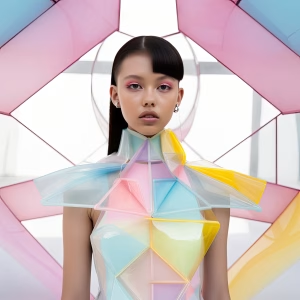
- High fashion/editorial modeling (for those with distinctive features and presence)
- Plus-size modeling (a fast growing sector demanding confidence and style)
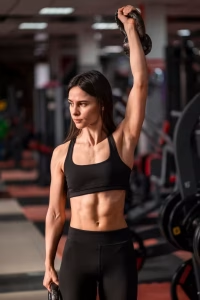
- Fitness modeling (portraying strength, definition, and athletic ability)
- Parts modeling (where your hands, feet, or other features become the stars)
- Alternative modeling (embracing unique looks that break traditional molds)
I’ve seen too many models fail because they couldn’t decide which path to commit to. Your portfolio should reflect a clear direction while still showing range within your chosen niche. This focused approach signals to agencies and clients that you understand your strengths and market position.
Step 2: Choosing between professional shoots and budget-friendly alternatives for your portfolio
The harsh truth? Photography quality can make or destroy your modeling potential. But don’t panic if you’re working with limited funds.
Professional photographer route
Yes, it’s an investment (often $500-1500 for a proper session), but the polished results can pay in results and gigs. Look for photographers who understand your specific modeling category, someone amazing at fitness photography might struggle with high fashion aesthetics.
Creative collaborations
The modeling industry’s best-kept secret is the TFP (Time for Print) arrangement. Connect with photographers on Instagram or dedicated platforms like Model Mayhem, who need specific looks for their creative projects. You’ll both walk away with portfolio-worthy images without exchanging money.
Follow a DIY approach for your modeling portfolio
If you’re truly starting from scratch, today’s smartphone cameras can work wonders with proper lighting. Grab a friend, find gorgeous natural light (early morning or “golden hour” before sunset), and capture simple, clean images against neutral backgrounds. Just remember, these should be stepping stones, not your permanent portfolio version.
Step 3: Curating photos that make agents and clients stop scrolling
I’ve seen portfolios with 100+ mediocre images and portfolios with just 12 spectacular shots. Guess which ones secured representation? Those with the quality shots, even when they were just a few. Your portfolio should include:
- A knockout headshot that showcases your facial features and natural beauty
- Clean, simple full-body shots that highlight your proportions (in fitted, basic clothing)
- Expression ranges demonstrating your versatility (commercial smiles to editorial intensity)
- Theme-based images reflecting your specialty (swimwear, activewear, haute couture)
- At least one unexpected “wow” shot that demonstrates creative potential
Pro tip: If you’re including any mature content or swimwear, always keep it in a separate section that viewers must intentionally access. Nothing kills commercial opportunities faster than unexpected risqué content appearing in your main portfolio.
Step 4: Building both a digital and a physical modeling portfolio
Your online presence is non-negotiable nowadays. I mean, that’s a no-brainer for sure. Instagram influencers are crossing the line of what it means to be a professional model. So, create a dedicated portfolio website using model-friendly platforms like Wix, Format, or Modnet. Organize images into intuitive categories, and make sure they look good on mobile too (where most casting decisions happen these days).
While a digital presence supreme (a.k.a TikTok & Instagram profile), don’t underestimate the impact of walking into meetings with a professional portfolio book. Invest in high-quality prints (I recommend 9×12 inches) displayed in a sleek portfolio case. The tactile experience of flipping through physical images creates a different connection with potential clients.
Step 5: Contact details that convert interests into bookings
I’ve seen stunning portfolios fail because they made it impossible to contact the model! Include:
- A professional email address (firstnamelastnamemodelxx@gmail.com works well)
- Your best contact number (make sure you are responsive in it)
- Complete, accurate measurements (height, bust/chest, waist, hips, dress/suit size, shoe size)
- Links to professional social media accounts (not your personal profiles!)
- Availability information and location flexibility
The faster and easier you are to contact, the more likely you’ll beat out equally qualified models for opportunities.
Closing lines
Remember that your portfolio tells your unique style as a model so it should evolve as you do. The most successful models I know review their portfolios monthly, ruthlessly eliminating anything that no longer represents their best work or current look.
Your modeling portfolio isn’t just about where you are today. It’s about suggesting the model you’re becoming. With thoughtful curation, strategic presentation, and regular updates, your portfolio becomes more than a collection of photos. It becomes the launching pad for the modeling career you’ve always imagined.
What part of creating your modeling portfolio are you finding most challenging? I’d love to hear about your journey in the comments below! And if you are still struggling to find a reliable platform to list your curated portfolio and secure gigs, register on Modnet.io today.