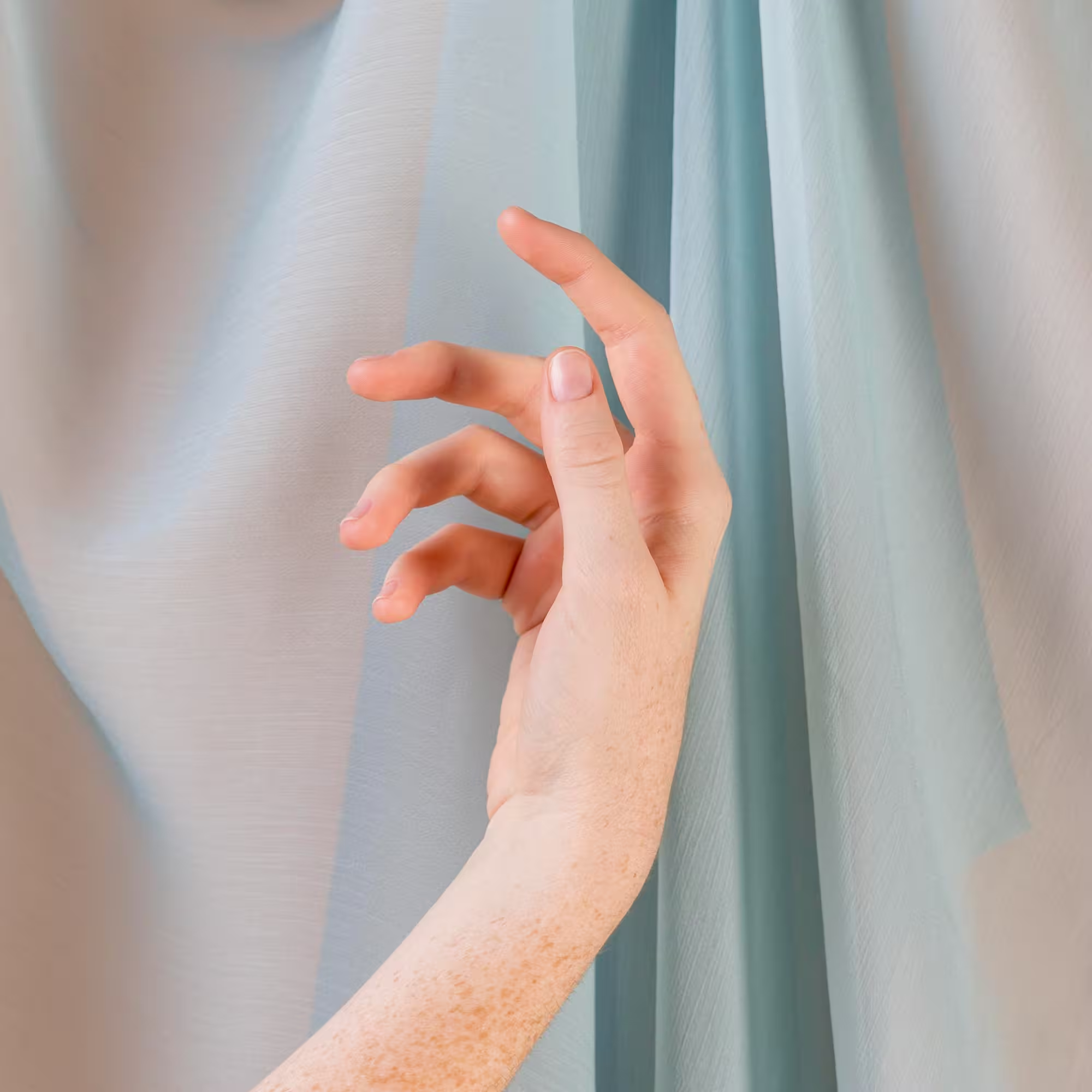
These elegant hands in watch advertisements or the perfect fingers delicately holding the latest smartphone didn’t get there by accident. Hand modeling requires dedicated care, precision, and a portfolio that showcases your assets effectively.
When most people think of modeling, they picture faces and full bodies gracing magazine covers. Yet hand modeling thrives as a specialized and surprisingly lucrative niche in the industry. Those perfect hands showcasing jewelry, smartphones, food products, and cosmetics belong to dedicated professionals who’ve mastered this unique craft.
Your portfolio serves as your visual resume in this competitive field. While your hands might be stunning in person, capturing their elegance and versatility through professional photography makes all the difference between booking jobs and being overlooked. A thoughtfully crafted portfolio demonstrates your potential and versatility to clients who need specific hand types for their products.
Let’s explore how to create a portfolio that opens doors in this specialized modeling niche.
Preparing your hands for modeling
Your hands are your instruments, and like any professional tool, they require meticulous maintenance. Hand models follow rigorous care routines that might seem excessive to outsiders but prove essential for success.
Start with a daily moisturizing regimen. Many professional hand models apply moisturizer up to 30 times daily, focusing on absorbing, non-greasy formulas during daytime and richer treatments overnight. Keep travel-sized moisturizers everywhere—your car, desk, nightstand, and bag—to maintain consistency.
Protect your hands religiously. Wear gloves when:
- Washing dishes or cleaning
- Gardening or doing outdoor work
- Handling harsh chemicals
- Exposed to extreme weather conditions
Nail care demands equal attention. Schedule regular manicures, but avoid artificial nails since most clients prefer natural nails for versatility. Keep them at a moderate, functional length with smooth edges. Between professional treatments, use cuticle oil daily and file gently to maintain shape without damaging nail beds.
What you eat affects your hand appearance too. A diet rich in:
- Biotin (eggs, nuts, sweet potatoes) for nail strength
- Vitamin E (almonds, spinach, avocados) for skin elasticity
- Omega-3 fatty acids (fish, flaxseed) to combat dryness
- Collagen-supporting foods (bone broth, berries) for skin structure
Remember to drink plenty of water. Hydration from within complements your external moisturizing efforts, creating the supple, youthful hands clients seek.
Planning your portfolio content
A compelling hand modeling portfolio demonstrates versatility while highlighting your hands’ unique attributes. Plan shots that showcase different capabilities clients might need.
First, identify your hand’s distinctive features. Do you have long, slender fingers perfect for jewelry? Strong, capable hands ideal for tools or technology? Soft, nurturing hands suited for skincare products? Understanding your “hand type” helps target appropriate clients.
Map out various positions and gestures to display versatility:
- Relaxed, natural poses with fingers slightly spread
- Dynamic motions like typing, swiping, or turning pages
- Product-specific holds for items like glasses, phones, or makeup
- Expressive gestures conveying emotions—thoughtfulness, excitement, or precision
Include a range of practical scenarios showcasing your hands:
- Holding various product types (electronics, jewelry, food, cosmetics)
- Performing common actions (writing, pouring, applying products)
- Interacting with different textures (smooth glass, soft fabric, rough stone)
- Creating shapes or pointing to demonstrate dexterity
Plan for both clean, minimalist presentations and more stylized concepts. Some clients need simple, distraction-free hand imagery, while others seek creative, editorial styles for their campaigns.
Conducting the photoshoot
The quality of photography makes or breaks your portfolio. While smartphone cameras have improved dramatically, professional equipment and expertise elevate your images to industry standards.
Look for photographers with experience shooting hands or products. They’ll understand the specific lighting techniques that highlight bone structure and skin texture without creating unflattering shadows. Ask to see their previous work with hands or small-scale subjects before booking.
During the photography session:
- Start with clean, freshly manicured hands (schedule a professional manicure 1-2 days before)
- Bring your manicure kit for touch-ups between shots
- Have moisturizer ready to apply throughout the session
- Warm your hands periodically (cold hands can appear red or veiny)
- Take breaks to prevent stiffness or tension showing in your poses
Props enhance your portfolio’s versatility. Bring various items:
- Jewelry pieces (watches, rings, bracelets)
- Technology (phones, tablets, keyboards)
- Beauty products (makeup brushes, bottles, compacts)
- Household items (cups, books, utensils)
Request diverse backgrounds—both plain (white, black, neutral) and contextual settings that might appeal to different clients. The photographer should capture multiple angles of each pose, ensuring you have plenty of options when compiling your final portfolio.
Compiling and presenting your portfolio
Now comes the critical task of selecting and organizing your best images. Quality trumps quantity—each photograph should earn its place by showcasing a unique capability or feature of your hands.
Begin with ruthless editing:
- Eliminate any images with visible flaws (redness, dry cuticles, awkward angles)
- Remove redundant poses that don’t add new information
- Select sharper, clearer versions when you have similar shots
Organize your selections strategically:
- Open with your strongest, most striking image to create immediate impact
- Group related shots (similar products, themes, or techniques)
- Create visual flow with complementary colors or shapes between adjacent images
- End with versatile, commercial-friendly poses that suggest widespread applicability
Create both digital and physical formats:
- Develop a professional website with a clean gallery layout
- Design a digital portfolio PDF that’s easily shareable via email
- Print a professional comp card featuring 4-6 key images and your contact information
- Consider a tablet-based portfolio for in-person meetings that allows for quick updates
Include essential information with your portfolio:
- Hand measurements (finger length, palm width, wrist circumference)
- Natural nail shape and size
- Skin tone (described using industry terminology)
- Special skills (piano playing, typing speed, crafting abilities)
Promoting your portfolio
Creating your portfolio marks just the beginning. Promoting it effectively determines whether clients and agencies discover your talents.
Start by researching agencies with parts divisions or hand modeling specializations. Major modeling markets like New York, Los Angeles, and London have agencies dedicated to this niche. Submit according to their specific guidelines—some prefer email submissions, while others have online forms or request physical mailings.
Leverage social media strategically:
- Create a professional Instagram account showcasing your hand modeling work
- Use relevant hashtags (#handmodel #productphotography #jewelrymodel)
- Engage with brands, photographers, and creative directors in your target industries
- Share behind-the-scenes content alongside professional shots
Network within adjacent industries:
- Connect with commercial photographers who might recommend you for projects
- Build relationships with manicurists who often hear about hand modeling opportunities
- Attend industry events where advertising creatives and art directors gather
- Join online communities for models to exchange information and opportunities
Consider creating specialized mini-portfolios for specific industries—beauty, technology, food, or luxury goods. This targeted approach demonstrates your understanding of each sector’s unique requirements and aesthetic preferences.
Nurturing a successful hand modeling career
Beyond creating an impressive portfolio, long-term success requires treating hand modeling as a professional business. Track industry trends, maintain impeccable hand condition, and continuously update your portfolio with fresh images showing diverse capabilities.
Remember that hand modeling demands extraordinary care and caution in daily life. Professional hand models avoid risks like cooking without protective gloves, playing contact sports, or even owning cats with sharp claws. Your hands represent your livelihood—protect them accordingly.
Stay flexible about jobs when starting out. Product catalog work, stock photography, and local advertisements build your experience and portfolio while connecting you with industry professionals who might recommend you for bigger opportunities.
With dedication to craft, professional presentation, and strategic networking, your hands can become recognized tools in the advertising world. The perfect portfolio opens doors—your professionalism and reliability will keep them open for a sustainable career in this specialized modeling niche.
FAQs
How to create a hand modeling portfolio?
Create a hand modeling portfolio by collaborating with photographers who specialize in product photography, showcasing various poses and interactions with different objects. Include close-ups that highlight your hands’ features, maintain consistent hand care, and organize images by categories like jewelry, technology, or beauty products.
How to become a hand model?
Become a hand model by maintaining impeccable hand care (daily moisturizing, protective gloves, regular manicures), creating a specialized portfolio with close-up images of your hands, measuring your hand dimensions, researching agencies with parts divisions, and practicing dexterity with different products and poses.
How much money do hand models make?
Hand models typically earn $300-$1,000 per hour for commercial work, with established models commanding $4,000-$10,000 daily for major campaigns. Annual incomes vary widely based on booking frequency, ranging from $25,000 for part-time models to $100,000+ for those regularly booking national campaigns.