We’ve all experienced it—walking into Target for one item and leaving with a cart full of things we didn’t know we needed. Behind those irresistible products are the faces that help sell them: Target models. These individuals represent one of America’s most beloved retail brands, appearing in everything from weekly ads to nationwide campaigns and in-store displays.
Modeling for Target offers more than just another gig. It provides exposure to millions of shoppers, the chance to represent a brand known for inclusivity, and the opportunity to work with top photographers and creative teams. Whether you’re new to modeling or looking to expand your portfolio with a major retail client, here’s your roadmap to becoming a Target model.
Understanding Target’s unique brand identity
Before pursuing any modeling opportunity, it’s essential to understand the brand you hope to represent. Target has carefully crafted a distinctive image that sets it apart from competitors.
“Expect More. Pay Less.” in action
Target positions itself in the sweet spot between discount retailers and high-end department stores. Their tagline—”Expect More. Pay Less.”—perfectly captures this balance. The brand promises quality and style at accessible prices, creating an aspirational yet attainable image.
This positioning influences everything about their marketing, including the models they select. Target models help customers envision themselves enjoying Target products, whether it’s wearing their clothing, using their home goods, or engaging with their technology.
Commitment to representation
One of Target’s most notable brand values is inclusivity. The company has received widespread recognition for featuring models of all:
- Ages: From infants to seniors
- Body types: Including plus-size, athletic, and petite
- Ethnicities: Representing America’s diverse population
- Abilities: Including models with disabilities
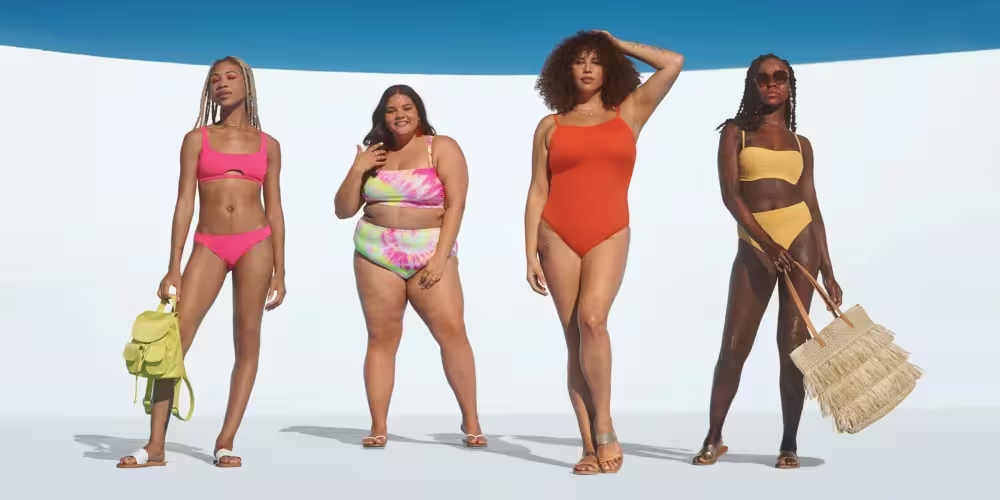
This commitment to diversity isn’t just a marketing strategy—it’s core to Target’s brand identity. In recent years, Target’s swimwear campaigns have particularly stood out for showcasing body positivity and realistic representations of customers.
For aspiring Target models, this means opportunity isn’t limited to a narrow definition of beauty. The brand actively seeks individuals who authentically represent their diverse customer base.
Meeting Target’s modeling requirements
Target doesn’t publish specific physical requirements for their models, which aligns with their inclusive approach. However, certain qualities and characteristics increase your chances of success.
Physical presentation
While Target embraces diversity, all models must present themselves professionally:
- Healthy appearance: Target promotes a healthy lifestyle, so models should appear fit and energetic (regardless of size)
- Clear skin: While minor imperfections may be acceptable (especially in campaigns focusing on authenticity), models should generally have clear, healthy-looking skin
- Good teeth: Especially important for campaigns involving smiling shots
- Well-groomed: Neat, clean appearance with attention to detail
Beyond these basics, Target looks for models who can embody their brand’s friendly, approachable aesthetic while still looking polished and put-together.
Professional qualities
The technical aspects of modeling matter just as much as appearance:
- Ability to take direction: Following a creative team’s vision precisely
- Expressiveness: Conveying emotions naturally and convincingly
- Body awareness: Understanding how to pose to showcase products effectively
- Stamina: Maintaining energy through potentially long shooting days
- Punctuality and reliability: Essential for any professional modeling work
Developing these skills through practice and smaller jobs will prepare you for the demands of modeling for a major retailer like Target.
Building your modeling portfolio
Your portfolio is your visual resume and your ticket to consideration for Target campaigns. It needs to demonstrate both your versatility and your alignment with Target’s aesthetic.
Essential shots for retail modeling
For retail modeling specifically, include:
- Clear headshots: Both smiling and neutral expressions
- Full-body shots: In simple, fitted clothing that shows your proportions
- Lifestyle images: Showing you in natural, everyday scenarios
- Commercial/advertising samples: Previous work for retailers or brands (if available)
- Range of expressions: Demonstrating your ability to convey different emotions
Remember that Target’s campaigns often focus on everyday scenarios—shopping, family activities, home life, seasonal celebrations—so images showing you in these contexts can be particularly relevant.
Professional quality matters
While you don’t need an extensive portfolio when starting out, the images you do have should be professional quality:
- Invest in professional photography rather than relying on selfies or amateur photos
- Ensure good lighting that shows you clearly
- Choose simple backgrounds that don’t distract from you
- Avoid heavy filters or excessive editing that misrepresent your actual appearance
- Include variety while maintaining a cohesive look
For beginners with limited budgets, consider collaboration with photography students or emerging photographers looking to build their portfolios. These “test shoots” can provide quality images at minimal cost.
Gaining relevant experience
Few models land major retail campaigns without first building experience. Relevant experience demonstrates your professionalism and helps you develop the skills needed for larger opportunities.
Starting points for aspiring retail models
Consider these stepping stones:
- Local department store fashion shows: Many regional retailers host seasonal events
- Print catalogs for smaller retailers: These often have lower barriers to entry
- Local commercial photography: For businesses in your area
- E-commerce modeling: Many online stores need models for their websites
- Stock photography shoots: Companies like Shutterstock hire models for commercial stock images
These experiences help you understand the commercial modeling world while building your portfolio with relevant work. They also provide opportunities to receive feedback and refine your skills.
Building your professional network
As you gain experience, focus on building relationships with:
- Photographers who specialize in commercial and retail work
- Stylists who work with brands similar to Target
- Other models who may hear about opportunities
- Art directors and creative professionals who make hiring decisions
The modeling industry relies heavily on connections, and many opportunities come through referrals rather than open castings.
Finding Target model castings
Target, like most major retailers, finds models through multiple channels. Understanding these pathways improves your chances of being discovered.
Modeling agencies
Target primarily works with established modeling agencies. Some known to represent Target models include:
- Wilhelmina Models
- Entourage Model & Talent Agency
- Several regional agencies in markets where Target shoots
Research agencies in your area that represent commercial models (not just high fashion). When approaching agencies, highlight any retail experience and emphasize your interest in commercial modeling for brands like Target.
Casting calls and job boards
Keep an eye on professional casting platforms like:
- Backstage
- Project Casting
- AllCasting
- Model Mayhem (for more experienced models)
Set up alerts for “Target” and “retail” to receive notifications about relevant opportunities. These platforms sometimes list open calls for Target campaigns or for photographers who work with the brand.
Social media scouting
Target’s marketing team and the agencies they work with sometimes discover talent through social media. To increase your visibility:
- Maintain a professional Instagram focusing on your modeling work
- Use relevant hashtags like #targetmodel, #commercialmodel, and #retailmodel
- Tag Target in posts that align with their aesthetic (without being excessive)
- Engage with Target’s content authentically
While being discovered this way is less common, it’s becoming an increasingly legitimate pathway, especially for models who embody Target’s commitment to diversity.
Acing the Target audition
If you’re called for a Target casting or audition, proper preparation can set you apart from other candidates.
Before the audition
Do your homework by:
- Researching recent Target campaigns to understand their current aesthetic
- Reviewing any specific requirements mentioned in the casting notice
- Preparing your portfolio and comp cards (small cards with your photos and measurements)
- Planning a simple, appropriate outfit that allows casting directors to envision you in their campaign
During the audition
At the audition itself:
- Arrive 10-15 minutes early, well-groomed and ready
- Be prepared to have digital photos or videos taken
- Follow directions precisely and quickly
- Demonstrate versatility in your expressions and poses
- Project confidence and a positive attitude
- Be yourself—authenticity is key for Target’s brand
Remember that Target campaigns often require models to convey approachability and relatability along with professionalism. Balancing these qualities will help you stand out.
After the audition
Once the audition concludes:
- Thank everyone professionally
- Ask about the timeline for decisions if appropriate
- Follow up with a brief thank-you email to your contact person
- Avoid excessive follow-ups that might appear desperate
- Continue pursuing other opportunities while waiting for a response
The commercial modeling world operates on its own timeline, and decisions may take weeks or even months. Patience and professionalism during this waiting period are essential.
Understanding Target model compensation
For those wondering about the financial aspects of Target modeling, compensation varies based on several factors.
Typical pay ranges
Target models can expect:
- Day rates: Typically $100-$400 per day for standard shoots
- Annual potential: Full-time models working regularly with Target can earn around $60,000 annually
- Usage fees: Additional compensation when images are used in certain ways or for extended periods
- Experienced models: Those in high demand may earn $100,000+ annually from Target and similar clients
Factors affecting compensation include your experience level, the campaign’s scope, usage rights, and whether you’re working through an agency (which takes a percentage but often negotiates higher rates).
Contract considerations
When offered a modeling job with Target, pay attention to:
- Usage rights: How and where your images can be used
- Exclusivity clauses: Whether you can work with competing retailers
- Duration: How long your images may be used
- Kill fees: Compensation if the shoot is canceled
- Buyout terms: Payment for unlimited use of your images
Having an agent or entertainment attorney review contracts is advisable, especially for major campaigns.
Building a sustainable Target modeling career
Landing one Target job is an achievement, but building a sustainable relationship with the brand requires strategy.
Becoming a repeat booking
To increase your chances of being called back:
- Exceed expectations on every shoot
- Be low-maintenance and easy to work with
- Deliver consistent results regardless of shooting conditions
- Maintain your look between bookings (or communicate changes to your agent)
- Express gratitude for opportunities without being overbearing
Many Target models work with the brand repeatedly over years, appearing in multiple campaigns as they build relationships with creative teams.
Expanding your retail modeling career
As you establish yourself, consider expanding to:
- Similar retailers that align with Target’s aesthetic
- Brands sold at Target that need models for their own marketing
- Diverse modeling formats including e-commerce, print, and video
- Commercial acting opportunities that utilize similar skills
This diversification creates financial stability while still allowing you to be available for Target opportunities.
Frequently asked questions
How to get into modeling for Target?
Start by building a professional portfolio with commercial-style photos showcasing your versatility. Research agencies that represent Target models and submit your portfolio for representation. Alternatively, monitor casting websites like Backstage and Project Casting for Target opportunities. Build experience with smaller retail clients, maintain a professional social media presence, and network with industry professionals. Target values diversity, so highlight your unique qualities rather than trying to fit a specific mold.
Do Target models get paid?
Yes, Target models receive compensation for their work. Day rates typically range from $100-$400 depending on experience and the specific campaign. Full-time models working regularly with Target earn approximately $60,000 annually, while experienced models can make over $100,000. Models may also receive additional compensation through usage fees when their images appear in multiple formats or locations. Payment terms are outlined in modeling contracts before shoots begin.
How do I contact Target?
For modeling opportunities specifically, contact Target’s marketing department through their corporate website’s “Contact Us” section. However, the most effective approach is through established modeling agencies that Target works with, such as Wilhelmina Models or Entourage Model & Talent Agency. These agencies have direct relationships with Target’s casting directors. Alternatively, create profiles on casting platforms like Backstage and Project Casting where Target posts modeling opportunities, and set up alerts for Target-related castings.
Courtesy of image: Target.