The modeling industry can feel like a labyrinth of unspoken rules and expectations, especially for women just entering the field. Having guided hundreds of models through successful castings, I’ve observed that preparation, authenticity, and strategic thinking make all the difference. This guide distills those insights into practical steps for navigating female model castings with confidence and increasing your booking success rate.
What happens in a female model casting
Every casting follows its own rhythm, but understanding the typical structure helps demystify the process. Unlike job interviews that might last 30+ minutes, model castings are remarkably brief—often just 2-5 minutes of actual evaluation time. This compressed timeframe means every second counts.
When you arrive, expect to:
- Sign in and provide your comp card or portfolio
- Wait with other models (sometimes for extended periods)
- Be called for a quick evaluation where you’ll likely:
- Present your portfolio or measurements
- Demonstrate your walk if it’s a runway casting
- Pose for digital photographs
- Answer a few basic questions about availability or experience
The brevity can be jarring for newcomers. You might spend two hours waiting for a three-minute evaluation. Understanding this reality helps you prepare mentally and use your limited spotlight effectively.
What happens behind closed doors after you leave is equally important. Casting directors typically review digital photos, discuss candidates with their team, and create shortlists for clients. Your job is to be memorable enough to make it through these filtering stages.
Start by building a portfolio that will opens doors for you
Your portfolio serves as your visual résumé and requires thoughtful curation. Unlike the male modeling world where consistency often dominates, successful female model portfolios typically demonstrate greater versatility across different looks and styles.
Start with the essentials:
- Clear headshots that show your facial structure from different angles
- Body shots that accurately represent your proportions (no misleading angles)
- Movement shots that demonstrate how you photograph in action
Then add diversity according to your target market:
- For commercial work: include warm, approachable images with genuine smiles
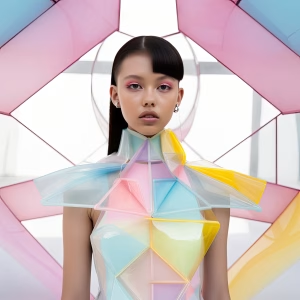
- For editorial: incorporate more artistic, conceptual imagery
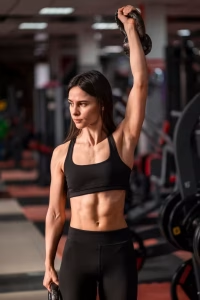
- For fitness: showcase your physique and athletic abilities
- For plus-size: highlight your confidence and how well clothing fits your frame
Digital portfolios have largely replaced printed books, but the principles remain constant: quality over quantity, current images only, and authentic representation of your actual appearance. Casting directors quickly lose trust when the person who walks in bears little resemblance to their portfolio.
A common mistake is including only one “type” of image. Even if you’re targeting a specific niche like swimwear or commercial print, show range within that category. This versatility demonstrates your adaptability—a quality clients highly value when choosing models.
Presentation tips unique to female castings
The female modeling world has specific expectations around presentation that differ significantly from male castings. These unwritten rules can make or break your chances before you’ve spoken a word.
How much attention should you pay to your hair and makeup?
The ideal casting look strikes a delicate balance between polished and natural. Commercial clients typically prefer seeing models with:
- Minimally styled hair (clean, smooth, typically worn down unless you have a signature short cut)
- Natural-looking makeup that enhances rather than masks features
- Clean, maintained nails with clear or neutral polish
However, high fashion castings may expect more editorial-ready presentation. Research the client or agency beforehand to calibrate your approach appropriately.
This differs from the male model world, where the expectation is often simply “clean and groomed.” Female models navigate more nuanced expectations about appropriate styling.
Wardrobe Considerations
Your casting attire creates an immediate impression. The industry standard includes:
- Form-fitting black pants or jeans
- Simple, fitted top (often black or white)
- Heels that you can walk confidently in (bring them even if wearing flats on arrival)
This minimal “model uniform” lets casting directors focus on your proportions and movement without distraction. For specialized castings, adapt accordingly:
- Swimwear castings: Bring a simple black bikini under your clothes
- Lingerie castings: Bring neutral-colored, well-fitting undergarments
- Fitness castings: Fitted athletic wear that shows muscle tone
Notice how these guidelines differ from the male modeling world, where simple jeans and t-shirts typically suffice across most casting types.
The psychology of confidence at female castings
The female modeling environment can sometimes feel competitive or intimidating. Developing genuine confidence—not just its outward appearance—becomes essential for both performance and mental wellbeing.
Start by recognizing that nervousness is universal. Even veteran models experience pre-casting jitters. The difference lies in how they channel that energy. Transform nervous energy into focused presence through:
- Breathing techniques: Practice slow, deep breathing while waiting to activate your parasympathetic nervous system
- Power posing: Stand in confident postures for 2 minutes before entering the casting room
- Positive anchoring: Create a specific physical cue (like pressing thumb and forefinger together) that you mentally link to feelings of confidence through repeated practice
Female models often face unique psychological challenges, including comparison anxiety when surrounded by other candidates. Combat this by establishing pre-casting mental boundaries—remind yourself that casting is about finding the right match for a specific project, not determining universal worth.
Remind yourself that you’re not competing with everyone. You’re offering something specific that will either match what they need or won’t. That mindset helps stay centered and authentic.
Dealing with the challenges in this industry
Female models encounter unique industry dynamics that require strategic navigation. Understanding these challenges helps you respond professionally rather than being caught off guard.
Setting appropriate boundaries
Unfortunately, some situations may arise where you need to enforce professional boundaries. Establish these guidelines for yourself in advance:
- What types of projects align with your personal comfort level
- How you’ll respond to inappropriate requests
- Which clothing requirements you are and aren’t comfortable with
Having predetermined boundaries prevents in-the-moment decisions you might later regret. Practice direct, professional language for declining requests outside your comfort zone: “I don’t participate in that type of project, but thank you for considering me.”
Building supportive networks
The competitive nature of female modeling can sometimes create isolation. Counteract this by developing relationships with peers who understand the industry’s unique pressures. These connections provide:
- Emotional support during rejection cycles
- Information-sharing about reputable casting opportunities
- Practical advice for navigating industry-specific challenges
Unlike some fields where mentorship is formalized, modeling often requires proactively seeking guidance from more experienced professionals. Identify potential mentors who demonstrate both success and integrity, and approach them with specific, thoughtful questions rather than general requests for help.
The tricky “art” of the follow-up
After castings, strategic follow-up can differentiate you from equally qualified candidates. This area allows for greater personal expression than the more standardized casting process.
If you’re agency-represented, check their policy first—many prefer handling all client communication themselves. For independent models, a brief, professional thank-you email within 24 hours can be appropriate if you have direct contact information.
Digital platforms offer additional follow-up channels. Consider these guidelines:
- Following casting directors’ professional accounts is generally acceptable
- Engaging occasionally with their professional content shows continued interest
- Direct messages should be sent sparingly and only when you have something relevant to communicate
The most effective follow-up is indirect—continuing to develop and showcase your skills where casting professionals might notice. This could include:
- Collaborating with photographers on new portfolio images
- Participating in fashion events where industry professionals attend
- Building your own professional social media presence
This approach demonstrates your commitment to growth without creating pressure or appearing desperate.
Use rejections to build a resilient personality
Perhaps the most challenging aspect of female modeling is developing emotional resilience in an industry with high rejection rates. Even top models book only a fraction of the jobs they cast for.
Reframing rejection helps maintain perspective. Consider that clients are casting for highly specific requirements that often have nothing to do with your quality as a model. You might be rejected because:
- They already have someone with your coloring in the campaign
- They need someone taller/shorter to stand next to another selected model
- The creative direction changed after casting began
- Budget constraints reduced the number of models needed
Each casting, regardless of outcome, provides valuable experience that improves your skills. Track patterns in feedback (when provided) to identify areas for growth, but avoid over-analyzing individual rejections.
Learn how to use tech to help you in your castings
The casting process continues evolving, with digital platforms increasingly supplementing or replacing traditional in-person evaluations. This shift creates both challenges and opportunities.
Virtual castings require different preparation:
- Ensure excellent lighting that accurately shows your features
- Create a clean, neutral background
- Position your camera to capture both facial detail and full-body movement
- Test your technology thoroughly before the scheduled time
- Practice engaging with the camera naturally to create connection
The rise of social media casting—where clients discover models directly through platforms like Instagram—has democratized access while creating new expectations. To optimize for these opportunities:
- Maintain a professional, curated feed that showcases your modeling potential
- Include relevant industry hashtags that casting professionals monitor
- Demonstrate consistency and reliability through regular, quality content
- Engage thoughtfully with industry accounts to build visibility
This evolution offers fresh pathways into the industry, particularly for models with unique looks who might not fit traditional agency standards.
Final thoughts
Success at female model castings comes from integrating practical preparation with psychological readiness. By understanding the process, presenting yourself professionally, developing genuine confidence, and building resilience, you transform casting calls from intimidating evaluations into opportunities for connection and growth.
Remember that casting directors seek not just specific looks but also reliability, adaptability, and positive energy. By bringing these qualities alongside your physical attributes, you distinguish yourself in a competitive field and increase your booking success rate.
The modeling industry continues evolving, but these fundamental principles remain constant: preparation creates confidence, authenticity creates connection, and persistence creates opportunity. Apply these insights to your next casting, and you’ll approach the process with greater clarity and effectiveness.
FAQs
What should female models wear to castings?
Wear fitted black pants or jeans with a simple top that shows your proportions. Bring heels even if wearing flats initially. Keep jewelry minimal and avoid distracting patterns or logos.
What are casting directors looking for in female models?
Beyond physical attributes, they seek professionalism, versatility, positive attitude, ability to take direction well, and reliable communication. Each market values different specific characteristics.
How can I build confidence for modeling castings?
Practice your walk and poses extensively, prepare thoroughly, use breathing techniques to manage nerves, focus on presenting your authentic self, and remember that casting is about finding the right match, not judging your worth.
Cover image courtesy: Kendra Shoemaker (view full profile).