Creating an amazing modeling portfolio needs more than just good photos—you need to master poses that show off your best features and versatility. Whether you’re new to modeling or updating your existing portfolio, knowing the right poses for different types of modeling can transform your photos from average to outstanding.
7 essential pose types for your portfolio
1. The classic pose
Stand with one leg slightly forward, arms relaxed at your sides, and shoulders slightly turned. Keep limbs gently bent and fingers natural. This timeless pose works for everyone and creates an effortless look. Try variations with different arm positions, crossed legs, or turning at a 45-degree angle. Here’s a demonstration of the “Classic Pose” by Luisa Ladeveze.
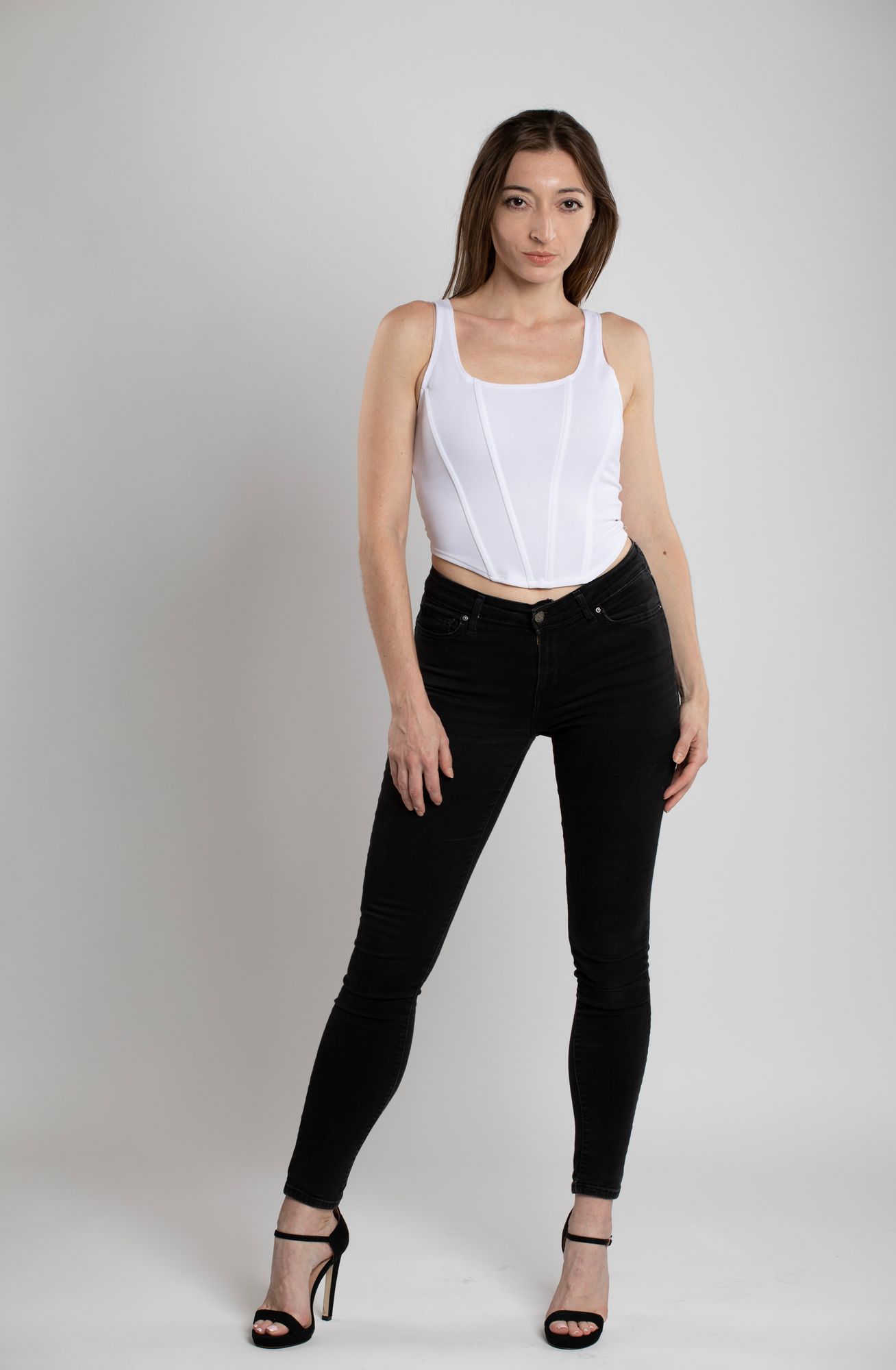
“Classic Pose” by Luisa Ladeveze
2. The lean and twist
Create energy by leaning to one side while twisting your torso. This dynamic pose adds movement to still photos. Try leaning against walls, placing one foot up on objects, or using props to support your position for interesting angles.
View this post on Instagram
3. The S-curve pose
Accentuate your body’s natural lines by creating an S-shaped silhouette. Shift your weight to one leg, push one hip out slightly, and twist your torso. This pose highlights curves and adds fluid movement to your images. Works well from both front and side angles. Here’s an example from the model Connor Mehan. (View her full profile on Modnet here.)
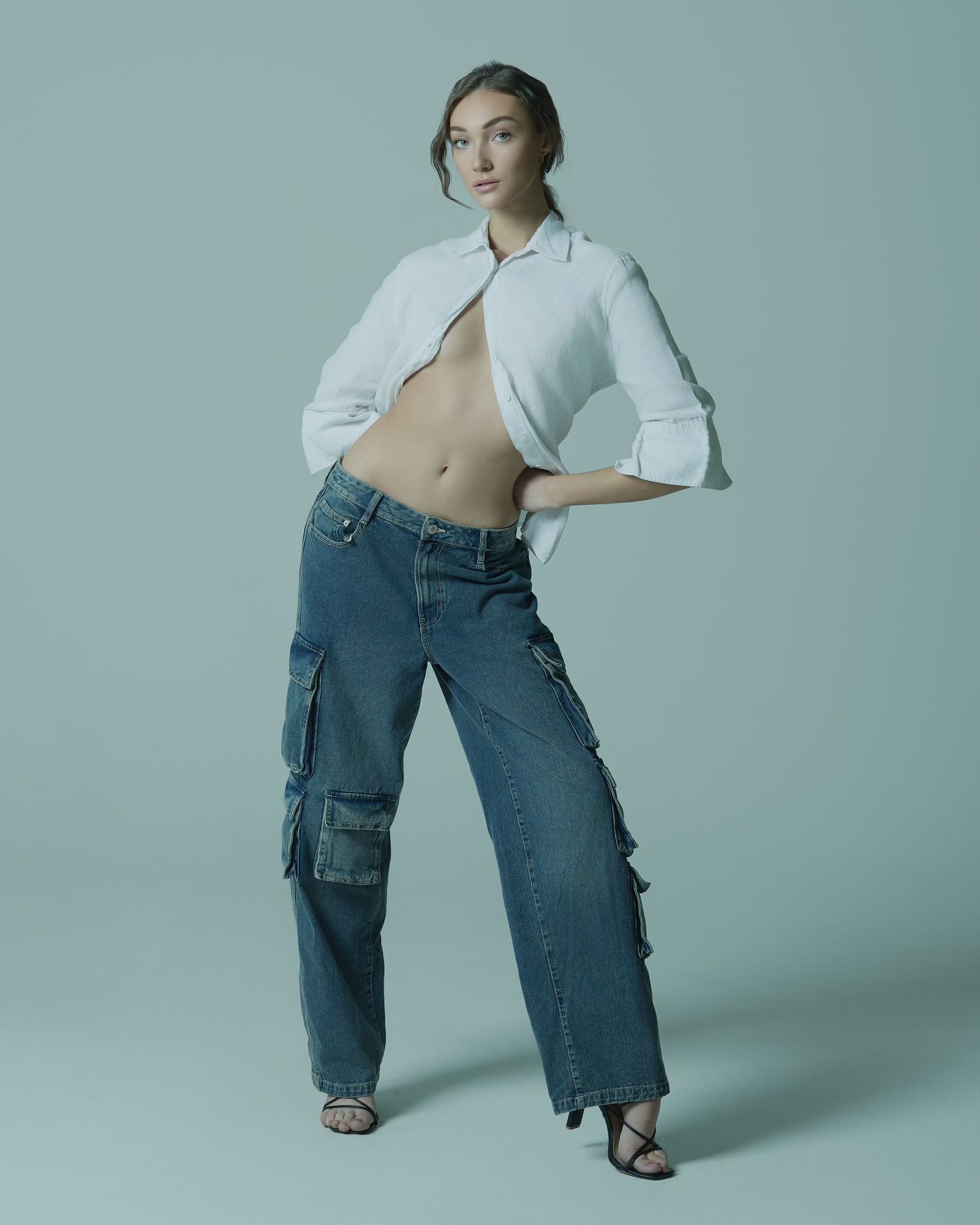
4. The sitting pose
Seated positions create relaxed, approachable images. Try chairs, stools, stairs, or floor sitting to show versatility. These poses often result in more natural expressions since you’ll feel more comfortable. Experiment with crossed legs, leaning forward, or casual arm positions.
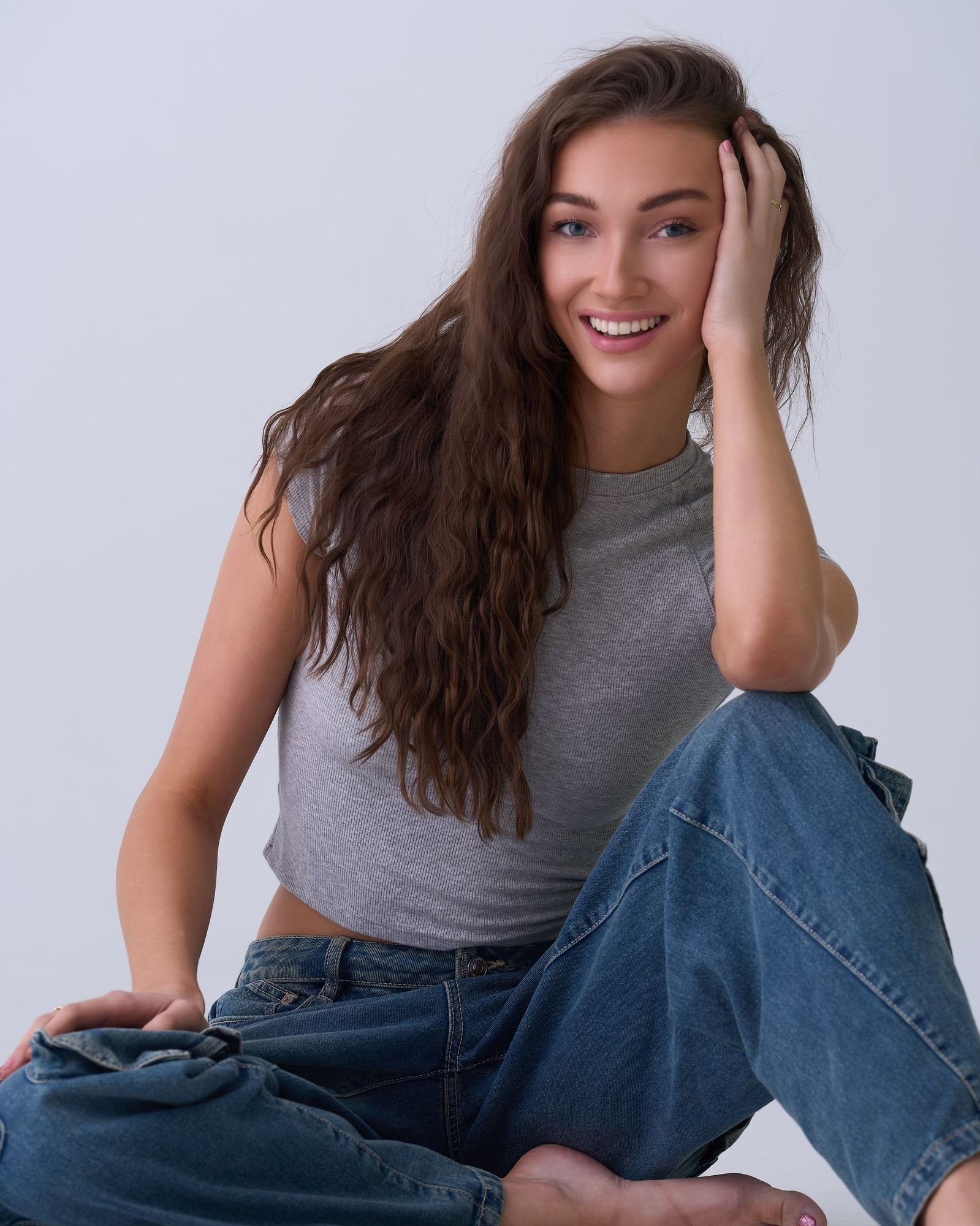
5. The beauty pose
Frame your face and shoulders to highlight your features. Look directly at the camera with a natural expression that showcases your eyes. Try subtle head tilts, different gaze directions, and gentle hand placements near your face for variety in your headshots.
View this post on Instagram
6. The high fashion pose
Channel confidence with this dramatic pose featuring one hand on your hip and the other positioned expressively. This bold stance works for full-body fashion shots and can be adapted for sitting positions. Vary your hand placements and body angles for different effects.
View this post on Instagram
7. The action pose
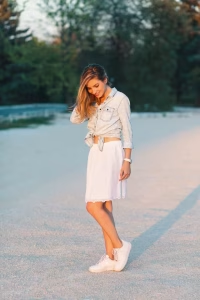
Capture natural movement by walking, jumping, dancing, or using props. These dynamic shots add energy to your portfolio and often result in authentic expressions. The key is maintaining poise while in motion so the result looks intentional rather than chaotic.
View this post on Instagram
Poses for specific modeling categories
Fashion and editorial poses
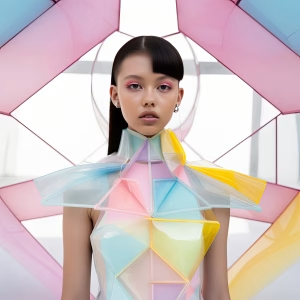
Fashion and editorial modeling requires poses with attitude and artistic flair. Create angles with your body by shifting your weight to one leg and extending your arms. Try the “contrapposto” stance where you put your weight on one leg to create a subtle S-curve.
For editorial, experiment with unexpected hand positions (near your face but never covering it), slightly hunched shoulders, or unique leaning positions. The goal is telling a story through your body language and expression.
Commercial poses
Commercial modeling needs friendly, relatable poses that help consumers imagine themselves using products. Practice “smizing” (smiling with your eyes) by thinking of something truly happy rather than forcing a smile.
Use open, inviting body language and try action-based poses showing natural product interactions.
Fitness poses
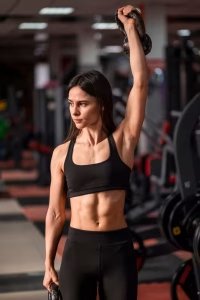
Fitness modeling highlights both physical abilities and muscle definition. Side angles work especially well, showing muscle tone through lighting and shadows.
Women often benefit from a slight hip pop with shoulders back, while men typically look best with a three-quarter turn showing shoulder width and tapered waist. Capture mid-movement moments like jumps, running strides, or challenging yoga positions.
5 tips to improve your poses
1. Avoid stiffness
Between shots, shake out your limbs and roll your shoulders to release tension. Make small movements during shooting—shifting weight slightly or adjusting hand positions. Keep hands relaxed by imagining you’re holding something delicate like an egg to create natural finger curves.
2. Practice with mirrors
Use mirrors to develop your posing skills before photo sessions. Check your outline from all angles—front, side, three-quarter, and back views. Create a “pose book” from magazine images or social media posts and practice adapting them to your body type.
3. Use props effectively
Props provide natural hand placements and create storytelling opportunities. Try chairs, walls, fabric, or simple items like sunglasses and hats. Ensure props complement rather than distract from you by choosing items that extend your pose naturally.
4. Create movement
Try walking shots captured mid-stride, hair or clothing movement from gentle fans, or freeze-frame action shots. For subtler movement, include gentle motion in just one element—a hand through hair or a slight lean forward.
5. Work with your photographer
Communicate openly about poses you’re comfortable with and angles that work best for you. Develop clear signals during shoots for breaks or when you want to try specific poses. Trust their guidance on lighting and composition while offering insights about what feels natural for your body.
FAQs: Modeling poses and portfolios
How to pose for modeling portfolio?
Mix headshots, full-body and three-quarter poses showing versatility. Keep hands relaxed, create angles with your body, and practice fluid movements between poses.
What photos should be in a model portfolio?
Include clear headshots, full-body shots in fitted clothes, variety of expressions, and poses relevant to your modeling type. Quality beats quantity—8-12 excellent images is ideal.
How to be photogenic like a model?
Practice poses regularly, learn your best angles, keep your chin slightly forward and down, relax your face and body, and take test photos to see what works best.
With regular practice and these pose variations in your toolkit, you’ll create a diverse, dynamic portfolio that showcases your versatility and appeal across multiple modeling categories.