Getting into modeling can feel like trying to solve a puzzle without having all the pieces. The path isn’t always clear, you’ll face rejection, and there are lots of other people trying to do the same thing.
But with good preparation and not giving up, you can navigate the application process and improve your chances of success. This guide breaks the process into simple steps to help you pursue modeling opportunities.
Understanding different types of modeling
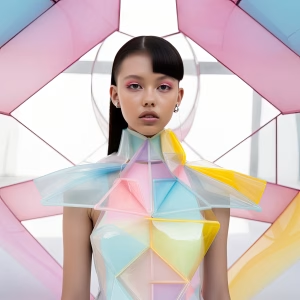
The modeling industry has many different areas—from high fashion and commercial to fitness, parts modeling (like hands or feet), and promotional work. Each area has different requirements and application processes. Before you start, it’s helpful to understand where your unique look might fit best.
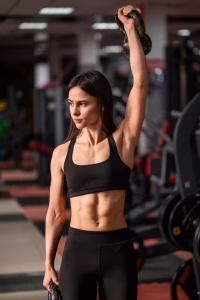
Commercial modeling often welcomes different looks, heights, and ages, while high fashion typically has stricter physical requirements. Fitness modeling focuses on athletic bodies, while parts modeling needs specific features like nice hands or feet. Knowing where you might fit helps you target the right opportunities.
Step 1: Research and preparation
Researching modeling agencies
Start by looking into agencies in your area. Look for:
- Agencies that represent models who look similar to you
- Legitimate agencies with professional websites
- Clients that include known brands
- Clear information about how to apply
Avoid agencies that ask you to pay fees upfront, pressure you to pay for photos, or make big promises about how much you’ll earn. Good agencies make money when you work, not from charging you fees.
Preparing accurate measurements
Agencies need to know your exact measurements. You’ll typically need:
- Height
- Bust/chest, waist, and hip measurements
- Shoe size
- Clothing sizes
- Weight (sometimes)
Have someone else measure you while you’re wearing fitted clothing. Being accurate is important—wrong measurements waste everyone’s time and can hurt your reputation.
Building your first portfolio
A basic modeling portfolio shows your potential and versatility. For beginners, this should include:
- Clear headshots showing your face without heavy makeup
- Full-body photos in simple, fitted clothing
- A few images showing different expressions and poses
While professional photos are best, good quality digital photos can work for your first submissions. Many agencies provide specific guidelines for photos on their websites—follow these instructions carefully.
Step 2: Developing basic modeling skills
Learning modeling techniques
Even before you get your first job, developing some basic skills will help you:
Posing: Practice different poses in front of a mirror or camera. Look at magazines and model portfolios to understand effective positions. Learn which angles look best for you.
Walking: If you want to do runway modeling, practice walking with good posture and confidence. Some cities offer classes taught by professionals who can help improve your technique.
Expressions: Commercial modeling requires showing different emotions naturally. Practice changing between expressions—from confident to friendly, serious to happy—while keeping your facial movements natural.
Getting some experience
Consider starting with smaller opportunities to build experience:
- Working with photography students or new photographers
- Local fashion shows or events
- Helping small businesses with their social media content
- Test shoots with photographers who are also building their portfolios
These experiences help you develop practical skills, get photos for your portfolio, and make connections that will strengthen your applications for bigger opportunities.
Step 3: Networking and finding opportunities
Attending industry events
Open calls (where agencies meet potential new models) provide direct access to agencies without needing an invitation. Check agencies’ websites or social media for their open call schedules.
Industry events like fashion weeks, photography exhibitions, and modeling conventions offer chances to meet photographers, stylists, and agents. Be professional at these events—bring digital or printed comp cards (modeling business cards with your photos and information) to share your details easily.
Using online platforms
Digital platforms have changed how models find work:
- Modeling job boards like Backstage, ModelManagement.com, and Modnet (with a new function coming soon)
- Social media platforms, especially Instagram, where clients and agencies look for talent
- Professional websites showing your portfolio and contact information
Stay professional across all your online accounts. Even your personal social media may be checked by potential clients or agencies looking at your marketability and reputation.
Step 4: The application process
Submitting professional applications
Agency requirements vary, so always check their specific guidelines. Typically, you’ll need to provide:
- Digital photos meeting their specifications
- Accurate measurements
- Basic personal information
- Prior modeling experience (if any)
Follow submission instructions exactly—whether they ask for email submissions, an online form, or physical mail. Paying attention to details shows your professionalism and ability to follow directions.
Building your social media presence
Nowadays, having a strong social media presence can significantly impact your modeling opportunities:
- Maintain a well-organized, professional Instagram showing your versatility
- Use relevant hashtags to increase visibility to industry professionals
- Post regularly to show reliability and commitment
- Engage thoughtfully with industry accounts to build connections
Your social media serves as an extended portfolio and personality showcase. Balance professional content with authentic personality while maintaining appropriate boundaries.
Step 5: Interviews and follow-up
Making a good impression at agency meetings
If an agency is interested, you’ll likely be invited for an in-person meeting or online interview. Prepare by:
- Wearing simple fitted clothing that shows your proportions
- Wearing minimal makeup to show your natural features
- Bringing your portfolio or comp cards if requested
- Preparing brief answers about your goals and availability
During the meeting, be yourself while staying professional. Agencies assess not just your look but also your reliability, attitude, and how you might represent them with clients.
Following up effectively
After submitting applications or meeting with agencies:
- Wait the suggested time before following up (typically 1-2 weeks)
- Send a short, professional email expressing continued interest
- Avoid too many follow-ups
- Accept feedback graciously, even if it’s not what you hoped to hear
Many successful models faced numerous rejections before finding the right agency fit. View each interaction as a learning opportunity.
Handling rejection constructively
Rejection is a normal part of the modeling industry—even top models book only a fraction of the jobs they try for. Build resilience by:
- Understanding that rejection often reflects specific client needs rather than your potential
- Seeking constructive feedback when possible
- Continuing to improve your skills and portfolio
- Not giving up despite setbacks
Each “no” provides valuable experience that strengthens your approach to future opportunities. The models who succeed long-term are those who remain professional and persistent.
Getting and managing your first jobs
Once you begin receiving booking opportunities:
- Confirm all details in writing, including date, time, location, and payment
- Prepare thoroughly by researching the client and understanding expectations
- Arrive early with all requested items and a professional attitude
- Follow direction well while bringing your unique energy to the project
Building a reputation for professionalism often leads to repeat bookings and referrals. The modeling industry values reliability as much as physical attributes—clients remember who was prepared, adaptable, and pleasant to work with.
The ongoing journey
Breaking into modeling requires a strategic approach, but the journey doesn’t end with your first booking or agency signing. Successful models continuously develop their skills, adapt to industry changes, and build relationships.
By approaching the application process systematically—researching opportunities, preparing thoroughly, developing necessary skills, and maintaining professionalism throughout—you position yourself for success. Remember that persistence, combined with strategic effort, often makes the difference between dreams and achievement in the modeling world.
FAQs
How to become a model step by step?
Determine your modeling type, take professional photos, research agencies matching your look, submit applications following guidelines, attend open calls, and build your portfolio while developing skills.
How do I get my first modeling job?
Build a basic portfolio, attend open calls, join reputable casting websites, network with photographers, maintain a professional social media presence, and consider smaller jobs to gain experience.
What to say when applying for modelling?
Keep it professional and brief: introduce yourself, include your measurements, mention relevant experience, explain why you’re interested in that specific agency, and thank them for considering you.
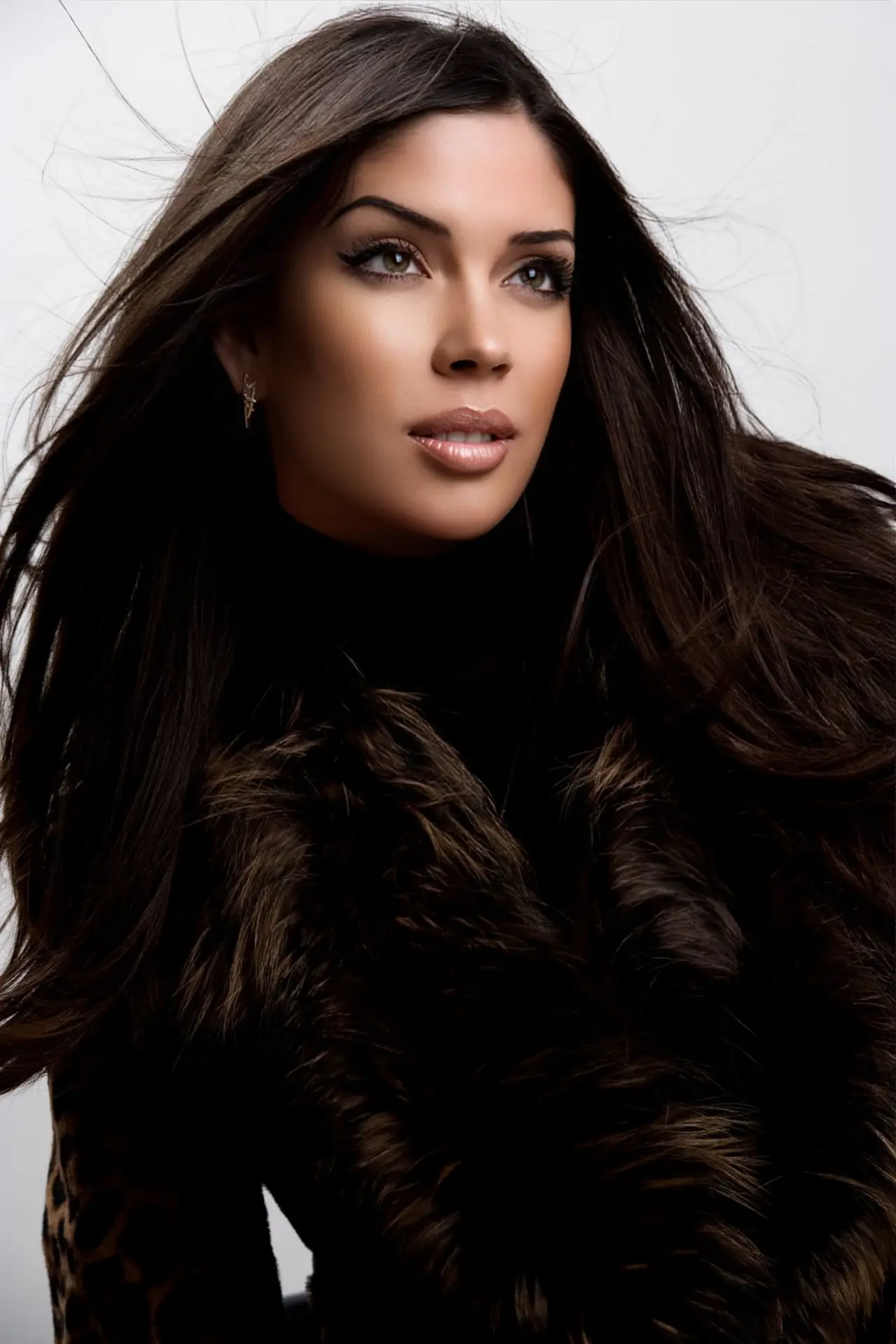
Featured model: Tatyana Shevchuk (view full profile.)